
If you’re prepping for extractions, you probably want a straight answer to the question: “most painful day of wisdom teeth removal.” This article explains the typical pain curve, why pain often peaks, what problems to watch for, and practical steps to lower discomfort at home. Read on for clear tips to manage pain and when to call your surgeon.
Understanding the most painful day of wisdom teeth removal
Most people want to know which day hurts the worst so they can plan time off and pain control. While every case is different, tooth removal pain usually follows a predictable pattern: mild right after surgery, a peak a day or two later, then steady improvement. Peak discomfort is normal, temporary, and usually manageable with care.
Typical pain timeline after extraction
Day 0 (surgery day)
You’ll feel numb from local anesthesia or sedation. Once numbness fades you may notice dull soreness rather than sharp pain. Follow immediate post-op instructions: bite gauze, avoid spitting, and rest. Pain medicines are most effective started before the anesthesia fully wears off.
Days 1–3 (when pain often peaks)
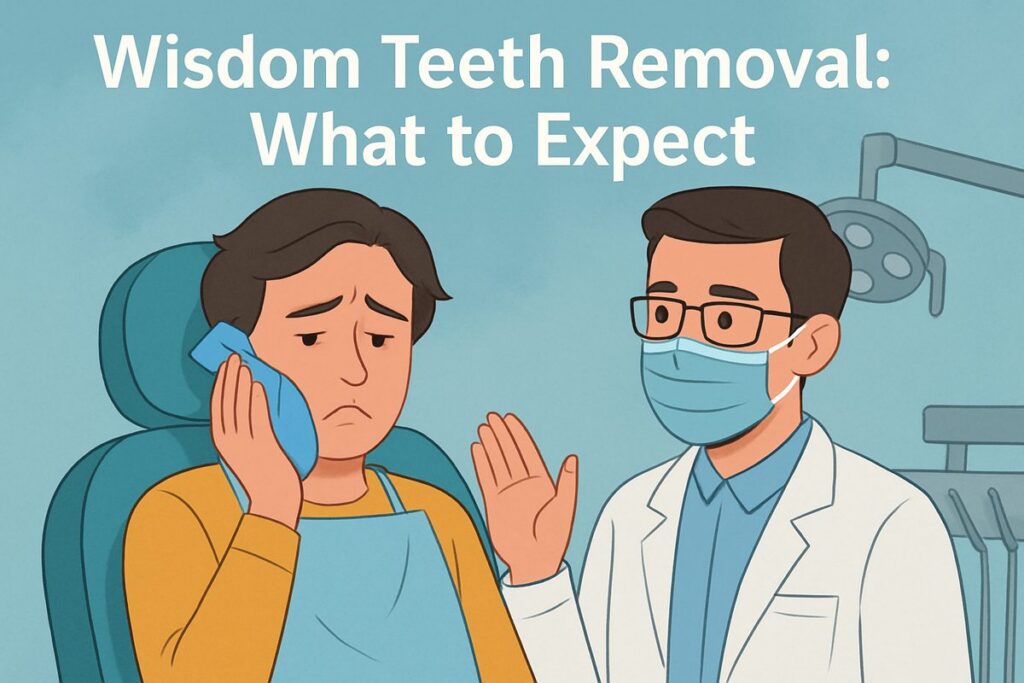
Inflammation and swelling usually increase during this period. For many patients, day 2 or day 3 is the worst — this is when you’ll likely ask about the “most painful day of wisdom teeth removal.” Expect throbbing, tenderness, and swelling that can make talking and eating harder. Pain should be controlled with prescribed or OTC meds and home care.
Days 4–7 and beyond
After day 3 you should see clear improvement. Swelling goes down, stitches may start dissolving, and soreness shifts from sharp to mild ache. By one week most daily activities are back to normal, though complete healing of bone and gum can take weeks.
Why pain often peaks on day 2–3
Pain peaks as your immune system ramps up to heal. Blood clot formation, tissue inflammation, and fluid buildup cause pressure and soreness. This response is normal and part of healing unless other signs suggest a complication.
Common reasons pain becomes worse than expected
Dry socket (alveolar osteitis)
Dry socket is when the clot dislodges and bone is exposed. It often begins 3–5 days after extraction and causes intense, deep pain that radiates to the ear. If your pain suddenly gets much worse after initial improvement, contact your surgeon.
Infection or other complications
Signs of infection include fever, spreading redness or swelling, bad taste or pus, and increasing pain after a few days. These need prompt treatment, often antibiotics or in-office care.
Practical pain management—what to do at home
Medications: OTC and prescription
Use ibuprofen or acetaminophen as directed; they work well together for many people. Some cases receive short opioid prescriptions—use them only as instructed. Always follow your surgeon’s dosing plan and call with questions.
Non-medical care
Ice packs the first 24 hours, then warm compresses after 48 hours can help. Keep your head elevated, eat soft foods, rinse gently with salt water after 24 hours, and avoid smoking or using straws.
When to contact your oral surgeon
Call if you have uncontrolled pain, high fever, spreading facial swelling, worsening numbness, or signs of dry socket or infection.
How Midwest Oral Surgery & Dental Implants helps reduce pain
Midwest Oral Surgery & Dental Implants in Omaha, NE offers board-certified surgeons, IV sedation options, and EXPAREL® for long-lasting local pain control to lower post-op pain and reduce the need for narcotics.
Quick takeaways and next steps
Most patients feel worst around day 2–3 but improve quickly with proper care. Use prescribed meds, home measures, and watch for red flags. If pain is severe or unusual, contact Midwest Oral Surgery & Dental Implants for advice and care.