
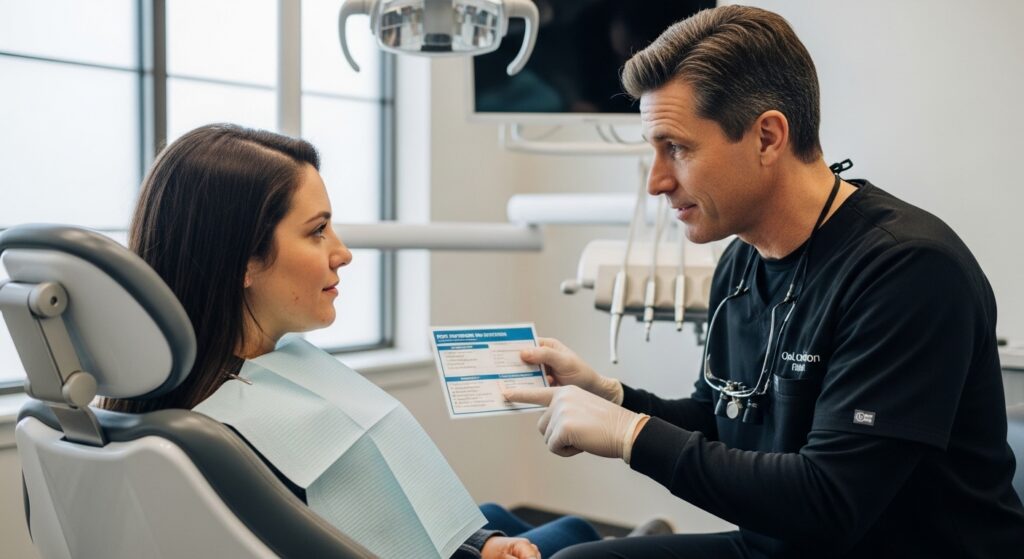
Recovering from wisdom teeth removal is an important step in protecting your long-term oral health. Understanding what to expect on day 6 can help you feel more confident and in control of your healing. As you approach the end of your first week of recovery, it’s helpful to know which symptoms are typical, which ones may be improving, and how to manage your comfort with the compassionate care provided by Midwest Oral and Maxillofacial Surgery in Omaha, NE.
Understanding Day 6 of Wisdom Teeth Removal Recovery
By day 6, the initial swelling and discomfort should be steadily decreasing for most patients. Many people notice a significant improvement in their ability to open their mouth, chew soft foods, and go about light daily activities. At this stage, you might still experience some jaw stiffness, tightness when opening wide, or minor soreness around the extraction sites—this is normal as your body continues to repair the bone and soft tissues.
Recognizing Normal Recovery Signs
As you evaluate your wisdom teeth recovery on day 6, it’s important to recognize the signs of normal healing. These usually include decreasing pain, reduced swelling, and no active or excessive bleeding from the extraction sites. Your gums may still feel tender to the touch, and you may notice some slight bruising on your cheeks or jawline, but these should be less noticeable than during the first few days after surgery. Mild oozing or a small amount of blood-tinged saliva can still occur, but it should not be heavy or continuous.
Managing Discomfort and Diet
If you’re experiencing discomfort on day 6, you can usually manage it with over-the-counter pain relievers, as directed by your oral surgeon or outlined in your post-operative instructions. Many patients find that they no longer need prescription medication by this point. Continuing to follow a soft-food or easy-to-chew diet can also reduce strain on your jaw and protect the healing areas. Foods like yogurt, mashed potatoes, scrambled eggs, oatmeal, smoothies, and well-cooked pasta are excellent choices because they are easy to eat and gentle on healing tissues. Be sure to stay hydrated, avoid drinking through a straw, and follow any rinsing or oral hygiene instructions provided by your surgeon to keep the area clean without disturbing the blood clots.
Signs That Require Attention
While most day 6 symptoms are part of a normal recovery, certain changes should prompt a call to our office.
Persistent or worsening pain, increased swelling after it had started to improve, or signs of infection—such as fever, a foul taste or odor in your mouth, pus or discharge from the extraction site, or difficulty swallowing—may indicate a complication. You should also contact us if you notice the extraction site looks empty or if you experience severe, throbbing pain radiating to your ear, which may be a sign of dry socket. If any of these symptoms develop, reach out to our practice promptly so our team can evaluate your situation and recommend the appropriate next steps.
Personalized Care and Next Steps
Our practice is dedicated to providing individualized care tailored to your needs during every step of your recovery. As you approach the end of your first week post-surgery, consider scheduling a follow-up appointment with Wewel, John, to ensure a healthy healing process and address any concerns you may have. Our team is here to support you with expert care and advanced technology, ensuring your comfort and well-being are our top priorities.