Understanding Your Recovery on Day 6 After Wisdom Teeth Removal

Recovering from wisdom teeth removal is an important step in protecting your long-term oral health. Understanding what to expect on day 6 can help you feel more confident and in control of your healing. As you approach the end of your first week of recovery, it’s helpful to know which symptoms are typical, which ones may be improving, and how to manage your comfort with the compassionate care provided by Midwest Oral and Maxillofacial Surgery in Omaha, NE.

Understanding Day 6 of Wisdom Teeth Removal Recovery

By day 6, the initial swelling and discomfort should be steadily decreasing for most patients. Many people notice a significant improvement in their ability to open their mouth, chew soft foods, and go about light daily activities. At this stage, you might still experience some jaw stiffness, tightness when opening wide, or minor soreness around the extraction sites—this is normal as your body continues to repair the bone and soft tissues.

Recognizing Normal Recovery Signs

As you evaluate your wisdom teeth recovery on day 6, it’s important to recognize the signs of normal healing. These usually include decreasing pain, reduced swelling, and no active or excessive bleeding from the extraction sites. Your gums may still feel tender to the touch, and you may notice some slight bruising on your cheeks or jawline, but these should be less noticeable than during the first few days after surgery. Mild oozing or a small amount of blood-tinged saliva can still occur, but it should not be heavy or continuous.

Managing Discomfort and Diet

If you’re experiencing discomfort on day 6, you can usually manage it with over-the-counter pain relievers, as directed by your oral surgeon or outlined in your post-operative instructions. Many patients find that they no longer need prescription medication by this point. Continuing to follow a soft-food or easy-to-chew diet can also reduce strain on your jaw and protect the healing areas. Foods like yogurt, mashed potatoes, scrambled eggs, oatmeal, smoothies, and well-cooked pasta are excellent choices because they are easy to eat and gentle on healing tissues. Be sure to stay hydrated, avoid drinking through a straw, and follow any rinsing or oral hygiene instructions provided by your surgeon to keep the area clean without disturbing the blood clots.

Signs That Require Attention

While most day 6 symptoms are part of a normal recovery, certain changes should prompt a call to our office.

Persistent or worsening pain, increased swelling after it had started to improve, or signs of infection—such as fever, a foul taste or odor in your mouth, pus or discharge from the extraction site, or difficulty swallowing—may indicate a complication. You should also contact us if you notice the extraction site looks empty or if you experience severe, throbbing pain radiating to your ear, which may be a sign of dry socket. If any of these symptoms develop, reach out to our practice promptly so our team can evaluate your situation and recommend the appropriate next steps.

Personalized Care and Next Steps

Our practice is dedicated to providing individualized care tailored to your needs during every step of your recovery. As you approach the end of your first week post-surgery, consider scheduling a follow-up appointment with Wewel, John, to ensure a healthy healing process and address any concerns you may have. Our team is here to support you with expert care and advanced technology, ensuring your comfort and well-being are our top priorities.

How to Know If Your Wisdom Tooth Removal Site Has Healed

When it comes to oral health, knowing whether the site of your wisdom tooth removal has healed is crucial. After wisdom tooth removal, patients often wonder which signs of healing are normal and which indicate a potential issue. At Midwest Oral Surgery & Dental Implants in Omaha, NE, we specialize in compassionate, expert surgical care and clear postoperative guidance so your recovery is as smooth, comfortable, and informed as possible.

Understanding Wisdom Tooth Removal Healing

Wisdom tooth removal is a very common oral surgery procedure. With proper post-extraction care, most patients heal predictably and avoid complications such as dry socket or infection. Healing involves the formation and protection of a blood clot, gradual closure of the extraction site with new gum tissue, and a steady return to pain-free, normal chewing and jaw function.

How to Know If Your Wisdom Tooth Removal Site Has Healed

Several signs suggest that healing is mostly or fully complete. In most cases, you should notice: a closed or nearly closed gum area where the tooth was removed, no ongoing pain or throbbing, minimal to no swelling, and the ability to open and close your mouth, chew, and brush gently without discomfort. For many patients, this level of healing occurs within a few weeks, although complete internal healing of the bone can take several months.

Wisdom Teeth Healing Signs to Watch

During the first few days after surgery, it is natural to experience slight bleeding, bruising, and mild to moderate discomfort. Healthy healing typically includes decreasing swelling, less pain each day, and gradual improvement in how your jaw feels when you eat, speak, or yawn. However, symptoms that suddenly worsen—such as new or intense pain, a bad taste or odor from the area, or fever—may indicate infection or dry socket and should prompt a call to your oral surgeon. For more details about surgical recovery, you can also read our resource on what to expect after dental implant surgery, which shares many of the same healing principles as wisdom tooth removal.

Patient Comfort and Care

Our experienced surgical team uses advanced technology, precise techniques, and appropriate anesthesia options to enhance comfort before, during, and after your procedure. After surgery, following your written and verbal care instructions—such as using cold compresses, taking prescribed medications as directed, avoiding smoking and straws, and eating a soft foods diet—can significantly reduce discomfort and support predictable healing. To learn more about maintaining oral health and comfort after surgical treatment, explore our guide on caring for your dental implants.

When to Contact Your Oral Surgeon

Contact your oral surgeon right away if you notice excessive or prolonged bleeding, severe or worsening pain, increasing swelling after the first few days, difficulty swallowing or breathing, or a foul smell or taste coming from the extraction site. These may be signs of infection, dry socket, or another complication that needs prompt attention. At Midwest Oral Surgery & Dental Implants, our oral surgeons provide individualized evaluations and follow-up care to help ensure complete, comfortable recovery. You can also explore the different types of tooth extractions we perform to better understand your treatment options before or after your wisdom tooth removal.

You do not have to wonder whether your wisdom tooth site is healing the way it should. If you have questions or concerns at any point in your recovery, contact Midwest Oral Surgery & Dental Implants in Omaha, NE, for expert guidance and care so you can heal with confidence.

Midwest Oral Surgery in Omaha, NE: Why Choose Us?

When you’re searching for expert oral surgical care, choosing the right team is paramount. At Midwest Oral Surgery in Omaha, NE, our experienced oral surgeons are dedicated to providing you with the highest level of care—from your first consultation through recovery. We focus on your comfort, safety, and long-term oral health while addressing your specific needs and goals. So, what truly sets us apart as a leading choice for oral surgery in Omaha?

Our Expertise in Oral and Maxillofacial Surgery

At Midwest Oral Surgery in Omaha, NE, we specialize in a wide range of oral and maxillofacial procedures, from routine to highly complex cases. Our expertise includes complex tooth extractionswisdom teeth removal, bone grafting, and dental implant placement, with treatment plans tailored to each patient’s unique circumstances. Our oral surgeons in Omaha are committed to delivering precise, predictable results while prioritizing your comfort and overall well-being.

Compassionate, Patient-Centered Care

We understand that the idea of oral surgery can feel overwhelming or even frightening. That’s why we emphasize compassionate, patient-centered care at every visit. Our team takes the time to listen to your concerns, explain your diagnosis and treatment options in clear, easy-to-understand language, and answer all of your questions. We also review sedation and anesthesia options, so you can choose the level of comfort that’s right for you and feel as relaxed and confident as possible before, during, and after your procedure.

Advanced Technology and Modern Techniques

To help ensure the safest, most efficient, and most comfortable experience possible, we utilize advanced technology and modern surgical techniques. This may include 3D imaging (CBCT) for accurate treatment planning, digital X-rays, guided implant surgery, and minimally invasive approaches when appropriate. These tools allow us to perform complex procedures with greater precision, help reduce post-operative discomfort, and often support quicker recovery times. At Midwest Oral Surgery in Omaha, NE, your oral health and safety are always our top priorities.

What to Expect During Your Visit

From your initial consultation through your post-operative follow-ups, we keep you informed and supported every step of the way. During your first visit, our specialists will review your medical and dental history, perform a thorough examination, and take any necessary imaging to fully understand your condition. We will then discuss your diagnosis, walk you through your treatment options, outline what to expect before, during, and after your procedure, and develop a personalized plan tailored to your needs, schedule, and comfort level. You’ll also receive clear post-operative instructions and guidance on managing discomfort and promoting healing at home.

Schedule Your Consultation Today

Ready to take the next step toward better oral health and function? Schedule a consultation with our experienced team at Midwest Oral Surgery in Omaha, NE. Whether you need wisdom teeth removal, dental implants, or another oral surgical procedure, we are here to provide expert care in a calm, supportive environment. Contact us today to request an appointment and learn how our oral surgeons in Omaha can support your oral health journey with skill, compassion, and personalized attention.

Day 5 After Wisdom Teeth Removal: What to Expect and Care Tips

On day 5 after wisdom teeth removal, you might be wondering if what you’re feeling is normal and how your recovery is progressing. By this point, most patients notice gradual improvement, but some soreness and inconvenience are still expected. Because you’ve invested in this important oral surgery, it’s helpful to know what’s typical on day 5 and how to care for yourself so you can stay comfortable and avoid complications. Understanding the healing process at this stage can give you peace of mind and help ensure a smooth, steady recovery.

Day 5 Post-Surgery: What to Expect

By day 5, it’s common to still have some swelling, tightness when opening your mouth, and mild to moderate discomfort around the extraction sites. Pain should generally be improving and manageable with your prescribed medications or recommended over-the-counter options. You may also see bruising along your cheeks or jawline; this can actually peak a few days after surgery and is a normal part of healing. Keep in mind that every patient heals at a different pace based on age, overall health, and how difficult the extractions were. If your pain is getting worse instead of better, or if you’re unsure whether what you’re experiencing is normal, contacting your oral surgeon for guidance is always a good idea.

Care Tips for a Smooth Recovery

Continuing diligent care is crucial on day 5 and throughout the first week. You can usually transition from ice packs to warm compresses on the cheeks to help reduce stiffness and promote circulation, unless your surgeon has advised otherwise. Stick to a soft-food diet that doesn’t require much chewing—options like yogurt, applesauce, mashed potatoes, smoothies (without straws), scrambled eggs, and blended soups are gentle on your healing sites. Avoid hard, crunchy, spicy, or very hot foods that could irritate the area or get lodged in the sockets. Hydration is also key, so sip plenty of water throughout the day, but do not use straws, as the suction can disrupt blood clots. Managing your activity level, avoiding heavy lifting or strenuous exercise, and getting adequate rest will all support a smoother recovery.

Monitoring Healing Progress

Being aware of your healing progress is essential so you can spot any early warning signs of problems. Minor oozing, slight tenderness, and a bad taste or mild odor from the extraction sites can be normal as tissues heal. However, heavy or persistent bleeding, increasing pain after an initial period of improvement, worsening swelling, fever, or foul-tasting discharge may indicate an issue such as infection or dry socket. If you notice these symptoms, or if something simply doesn’t feel right, call your surgeon promptly. Understanding what’s typical versus what’s concerning can reassure you and help keep your recovery on track.

Practical Advice for Comfort

To avoid complications and stay comfortable, gently rinse your mouth with warm salt water as directed by your surgeon—usually several times a day starting after the first 24 hours. Be careful not to swish too forcefully, as this can dislodge healing blood clots. Continue to avoid smoking, vaping, and drinking through straws, since suction and tobacco products can significantly slow healing. Choose light activities, like short walks, and avoid strenuous exercise, bending, or heavy lifting for several more days. If discomfort persists, or if your current medication doesn’t seem to be helping enough, consult your oral surgeon about appropriate pain management strategies. Keeping your oral hygiene routine gentle but consistent—carefully brushing your other teeth and tongue while avoiding the extraction sites—will support cleaner tissues and faster healing.

Conclusion: Ensuring Effective Healing

Day 5 marks an important checkpoint in your wisdom teeth removal recovery. By following your post-operative instructions, sticking to soft foods, staying hydrated, and closely monitoring how you feel, you’re supporting your body’s natural healing process and reducing the risk of complications. If you have any questions, notice changes that concern you, or would like to schedule a follow-up visit, Dr. John Wewel and the experienced team at Midwest Oral & Maxillofacial Surgery are here to help. Visit midwestoms.com or contact our office to get personalized guidance for your day 5 recovery and beyond.

All-on-4 Dental Implants in Omaha, NE: A Comprehensive Expert Guide

All-on-4 dental implants in Omaha, NE, offer a transformative solution for individuals seeking to restore their smiles. This innovative procedure is designed to replace missing teeth with a full arch of prosthetic teeth supported by just four implants. It allows patients to regain confidence and functionality with a new set of teeth that look and feel natural. Beyond aesthetics, All-on-4 implants provide structural benefits, improving oral health by preventing bone loss that often accompanies missing teeth. The technique involves strategic placement of implants at specific angles, ensuring stability and support. It’s an ideal choice for those seeking a reliable and efficient solution for tooth loss.

Understanding the intricacies of All-on-4 dental implants is crucial for patients considering this treatment. Unlike traditional dentures or extensive single tooth implants, the All-on-4 approach minimizes the need for bone grafting. This advantage makes the procedure accessible to a wider range of candidates, including those with some degree of bone loss. Patients can expect a streamlined process from consultation to completion, with fewer appointments required than traditional methods would demand. Moreover, the All-on-4 method typically results in quicker recovery times, allowing patients to adapt to their new smile more swiftly. This procedure not only enhances oral function but also substantially improves the patient’s quality of life.

Navigating the All-on-4 Implant Procedure

The journey to obtaining All-on-4 dental implants begins with a detailed consultation and examination. During this phase, dental professionals will assess the patient’s overall oral health and specific needs, laying the groundwork for a personalized treatment plan. Advanced imaging technology is used to visualize the mouth’s interior, aiding precise implant placement. Once the plan is set, the procedure itself can be conducted using various anesthesia options, such as local anesthetic for minimal discomfort, Nitrous Oxide for relaxed consciousness, or IV Sedation for deeper relaxation. General Anesthesia may be used in more complex cases to ensure complete patient comfort.

After the initial placement of the implants, a temporary set of teeth is fitted, allowing the patient to adjust and heal. This phase is crucial as it gives the implants time to naturally integrate with the jawbone—a process known as osseointegration. Throughout this healing period, dental professionals will monitor progress and make any necessary adjustments. The final stage is the attachment of the permanent prosthetic teeth, crafted to match the patient’s natural appearance and function. The result is a robust and visually appealing smile. Patients are encouraged to discuss any concerns and ask questions at each step, ensuring they are informed and confident in their decision.

Determining Your Candidacy for All-on-4 Dental Implants

Not everyone is an immediate candidate for All-on-4 dental implants, making an initial assessment vital. Qualified candidates commonly have multiple missing teeth in the upper or lower jaw but maintain enough bone structure to support implants. For those with insufficient bone density, alternative preparatory procedures might be recommended to strengthen the jaw. The multidisciplinary approach includes comprehensive evaluations of the patient’s medical history and any existing conditions. Custom care plans are devised based on the unique health profile to maximize the success rate and longevity of the implants.

Patients considering All-on-4 implants should also be committed to maintaining good oral hygiene and regular dental visits post-procedure. Lifestyle factors such as smoking or uncontrolled diabetes can affect candidacy as they impact healing. Open communication between the patient and dental professional is key to deciding if All-on-4 is the right solution. With the right preparations, many who might initially seem unfit for the procedure can become eligible candidates. A focus on collaboration and clear guidance helps ensure a smooth transition to a full and functional smile.

Embracing the Benefits and Managing the Maintenance of All-on-4 Implants

All-on-4 dental implants provide numerous benefits that extend well beyond aesthetics, offering a durable solution to tooth loss challenges. They eradicate the common discomforts associated with removable dentures, such as slipping or irritation. With their solid foundation, implants facilitate normal eating and speaking, giving patients the freedom to enjoy their favorite foods without worry. Additionally, All-on-4 implants help maintain facial structure by preventing bone loss, supporting a youthful appearance. The confidence boost from a full, beautiful smile is an invaluable psychological benefit that radiates through personal and social interactions.

To make this life-changing solution more accessible, many practices—including ours—offer flexible financing options and work with a variety of dental insurance providers. While not all insurance plans cover full implant procedures, some may offset diagnostic, surgical, or restoration-related costs. Our team helps patients navigate their coverage and offers customized payment plans that align with their budget. This way, restoring your smile with All-on-4 doesn’t have to be financially overwhelming.

Proper aftercare significantly enhances the longevity of All-on-4 implants. Daily oral hygiene practices being non-negotiable, regular brushing and flossing around the implants keep bacteria at bay. Dental patients are encouraged to attend follow-up appointments for professional cleanings and check-ups, ensuring that any issues are caught early. While the robust materials used in these implants are designed to withstand daily stresses, avoiding habits like teeth grinding or using teeth as tools is advisable. By committing to diligent care routines, healthy lifestyle choices, and a clear financial plan, patients can enjoy the benefits of their new smile for many years to come.

Experience Expert Care with Dr. John Wewel

Meet Dr. John Wewel, the cornerstone of specialized oral surgery and full-mouth reconstruction in Midwest Oral Surgery & Dental Implants. With years of dedicated experience, Dr. Wewel brings unparalleled expertise and personalized care to the field of All-on-4 dental implants in Omaha, NE. Our practice stands distinguished at the forefront of innovation and skill in reconstructive dentistry. Patients are welcomed into a state-of-the-art environment where modern technology meets compassionate care. From the initial consults to the final placement of your implants, you can trust in Dr. Wewel’s commitment to perfection and patient satisfaction. Let our team guide you through this life-changing journey with confidence and support.

Choosing Dr. Wewel as your All-on-4 implant specialist ensures a tailored and comprehensive approach that addresses your individual needs. Our practice prides itself on detailed patient education, ensuring you feel empowered in making informed decisions about your oral health. We prioritize punctual communication and a meticulous attention to detail, ensuring your experience is seamless and stress-free. From the very first consultation through to post-procedure check-ups, our goal is to exceed expectations by providing exceptional solutions and personalized care. We firmly believe in transforming lives one smile at a time. Are you ready to restore your smile at our skilled and trusted dental practice? Don’t wait to get the smile of your dreams with us. Get in contact with our doctor, Dr. John Wewel and our exceptional team at our practice to schedule an appointment today!

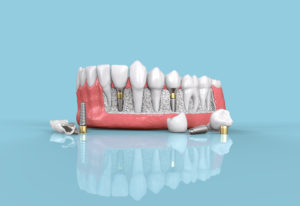
Dental Implants Review: Expert Insights and Essential Considerations for a Lasting Smile

When considering options for a radiant smile, a dental implants review is an essential first step. Dental implants serve as a stable foundation to replace missing teeth, combining aesthetics with functionality. Unlike traditional dentures, dental implant’s function much like natural teeth, providing stability and durability. These implants are crafted from biocompatible materials, such as titanium, which securely bond with the jawbone. Not only do they enhance your smile, but they also contribute to overall oral health by preventing bone loss. By understanding the core aspects, you can make informed decisions that align with your dental goals.

The initial consultation phase is crucial, providing personalized assessments to determine if you are a suitable candidate. This involves a comprehensive dental exam, complete with x-rays and dental impressions. You will be guided through each step of the process to ensure clarity and confidence in your choice. With advancements in dental technology, implants are now more accessible and successful than ever.


Appreciating the Longevity and Cost of Dental Implants

One of the most compelling advantages of dental implants is their potential for enduring success. With proper care, they can last a lifetime, outshining other tooth replacement options. Dental implants boast a high success rate, thanks to meticulous procedures and modern techniques. This longevity not only gives you confidence but also provides significant value over time. Understanding these benefits can help you appreciate the lasting investment you make in your oral health. It’s important to weigh these long-term gains against the initial costs involved.

While the upfront cost of dental implants may seem substantial, a nuanced cost analysis reveals their true worth. Consider factors like the lifespan, reduced need for replacements, and minimal maintenance compared to dentures or bridges. We offer various financial plans to suit diverse budgets while maintaining exceptional care standards. By investing in your smile today, you set the groundwork for lasting dental health free from frequent replacements.


Maximizing Implant Success with Comprehensive Care

After undergoing the procedure, proper aftercare is paramount to ensuring success and longevity. Adequate hygiene practices are key to maintaining the health of your implants and your smile. Regular visits to your dental professional guarantee the proactive management of any potential issues. A personalized maintenance plan, including regular check-ups and cleanings, supports optimal results.

Additionally, knowing what to expect and preparing for potential risks contribute significantly to a successful outcome. Follow your dentist’s guidance to avoid any complications during the recovery process, such as infections or implant displacement. Understanding the entire journey—from procedure to post-op—empowers you to achieve and maintain a radiant smile. By partnering with an experienced dental team, you gain confidence and assurance in your ability to care for your implants successfully. Let us guide you in enjoying a satisfying long-term relationship with your new smile.


We Support Your Journey toward a Perfect Smile

Embarking on a dental implant journey is a significant decision that we are committed to supporting every step of the way. From the initial consultation to the outcome, Midwest Oral Surgery & Dental Implants is with you, ensuring a streamlined experience. Our expert team is dedicated to customizing your treatment plan based on your unique needs and aspirations. By choosing us, you opt for a partnership based on trust, expertise, and compassion.

We invite you to contact our practice and schedule a personalized dental implants review consultation. Explore how our tailored solutions can transform your dental health and elevate your quality of life. With Dr. John Wewel leading a team of specialists, you’re assured of receiving care that prioritizes your comfort and satisfaction. Allow us to assist in restoring your smile, renewing not just your appearance but your confidence. Are you ready to restore your smile at our skilled and trusted dental practice? Don’t wait to get the smile of your dreams with us. Get in contact with our doctor, Dr. Wewel and our exceptional team at our practice to schedule an appointment today!

Three Exciting Benefits of Dental Implants

Three Exciting Benefits of Dental Implants
 

Thanks to new advances in dental technology procedures are less invasive and treatment options are more customized. With this in mind there is no reason that a patient should settle for being unsatisfied with their smile. Dental Implants are on the rise thanks to advancements in dental technology. Also, if a patient is suffering from missing teeth and is unsatisfied with their smile dental implants is for them. It should be noted that unlike dentures dental implants offer a patient permanent tooth restoration.

Easy Care
It should be noted that dental implants are easy to care for and they also replace the natural tooth. To clean your dental implants, you can brush and floss and these are the same steps you would take with your natural teeth. Also, just like with your natural teeth maintaining regularly scheduled visits to your dentist is very important to ensure that you are maintaining your oral health. Also, because your dental implants don’t have to be removed your care of them is equal to the same care as your natural teeth.

Preserving the Jaw
When it comes to preserving the jaw getting dental implants helps to preserve a jaw that has already started deteriorating. Dental Implants are installed directly at the root of the tooth unlike dentures that are only a cover up. Given the fact that dental implants are installed at the root by having them installed you are protecting the bone that is in your jaw. The bone is protected which protects against the bone deteriorated and helps to preserve the patient’s jaw which in turn also preserves the patients new smile.

Eat What You Want
When you have dental implants you no longer have dietary restrictions. For example, with dentures you have to be mindful of certain foods you eat because dentures are not permanently installed into your mouth. This means that if you eat certain foods you would have to worry about your dentures slipping out. Dental Implants are permanently installed into your mouth and you don’t need to have any dietary restrictions with Dental Implants because they are function the same way that your natural teeth would.

Contact Us
If you’re suffering from missing teeth and you are looking for a permanent solution then dental implants are the right choice for you. Contact your dentist today to set up a consultation to discuss your options.