
Sedation Dentistry: Is It Right For You in Omaha, NE?

Sedation dentistry helps people get dental care with less fear, pain, and stress. Many patients in Omaha ask about sedation dentistry because dental anxiety, complex surgeries like implants or wisdom tooth removal, and long procedures make visits stressful. This guide explains what sedation dentistry is, the types of sedation used, who may benefit, risks, what to expect, costs, and how to choose a provider. It’s written for anxious patients, people facing oral surgery, caregivers of special‑needs patients, and anyone needing longer dental appointments.

What Is Sedation Dentistry?

Sedation dentistry is the use of medication to help patients relax during dental procedures. It is different from local anesthesia, which numbs only the mouth. Sedation can range from minimal (awake and relaxed) to general anesthesia (fully unconscious). Common levels include minimal, moderate (conscious sedation), deep sedation, and general anesthesia. If you are searching for sedation dentistry in Omaha, NE, this article will help you understand which level may suit your needs.

Types of Sedation Used by Oral Surgeons

Nitrous Oxide (Laughing Gas)

Nitrous oxide is inhaled through a mask and works quickly to reduce anxiety. It wears off fast after the gas is stopped, so most patients can go home soon after a short recovery. Nitrous is often used for mild anxiety or short procedures.

Oral Sedation

Oral sedation uses a pill taken before the appointment. It can produce minimal to moderate sedation depending on the dose. Patients are usually drowsy and may have limited memory of the procedure. Recovery can take several hours, and someone must drive the patient home. Oral sedation is useful for those with moderate anxiety or for longer appointments.

IV Sedation and General Anesthesia

IV sedation is delivered directly into the bloodstream and can create deeper sedation with quick adjustments by the provider. General anesthesia renders a patient unconscious and is reserved for complex surgeries or patients who cannot tolerate lighter sedation. Oral surgeons often offer IV sedation and general anesthesia for more complex cases to ensure comfort and safety.

Who Is a Good Candidate for Sedation Dentistry in Omaha, NE?

– People with dental anxiety or fear – Patients facing complex oral surgery such as implants or impacted wisdom teeth – Those with a strong gag reflex or low pain tolerance – Patients needing multiple procedures in one visit – Special‑needs patients or people with difficulty cooperating – Patients with medical conditions that make prolonged stress risky (after medical review)

Benefits of Sedation Dentistry

Sedation dentistry can reduce fear and anxiety, making treatment possible for patients who otherwise delay care. It improves cooperation, enabling surgeons to complete multiple or complex procedures in a single visit. Sedation also increases patient comfort and often reduces memory of the procedure, which can lower future dental fear. For surgical cases, sedation helps surgeons work more efficiently and safely.

Risks and Safety Considerations

All sedation carries some risk, from mild side effects like nausea, drowsiness, or dry mouth to more serious but rare events like breathing problems or allergic reactions. A complete medical history and a review of current medications are essential before sedation. Fasting instructions and quitting certain medicines may be required. Proper monitoring (oxygen, blood pressure, heart rate) and emergency protocols should be in place. Choose a provider with appropriate training and credentials for the level of sedation offered.

What to Expect: Before, During, and After Sedation Dentistry in Omaha, NE

Before

You will have a pre‑op review of your health history and medications. Follow fasting rules (no food or drink for a set time). Arrange for a responsible adult to drive you home. Ask about any premedication and what to stop before your appointment.

During

Arrival includes a review and placement of monitoring devices. Nitrous oxide is inhaled; oral sedation is taken before the visit; IV sedation is started by a trained clinician. You may feel relaxed, sleepy, or unaware of the procedure. Monitoring continues throughout until sedation is reduced.

After

Recovery varies by type of sedation—nitrous wears off quickly; oral and IV sedatives may cause grogginess for several hours. Expect instructions on diet, activity, and pain management. You’ll be released when your vitals are stable, and a caregiver can take you home.

Costs, Insurance, and Payment Options

Sedation costs can be billed separately from the surgical procedure and depend on the method used. Dental insurance may cover parts of the procedure, but often limits anesthesia coverage unless medically necessary. Many practices offer financing, in‑office payment plans, or third‑party loans to help manage costs for sedation dentistry in Omaha, NE.

How to Choose a Provider for Sedation Dentistry

Look for board certification or hospital‑based residency training, experience providing IV sedation and general anesthesia, and hospital privileges. Confirm the office has monitoring equipment, clear emergency protocols, and positive patient reviews. Ask about the team’s training, how sedation is administered, and post‑op care procedures.

About Midwest Oral Surgery & Dental Implants

Midwest Oral Surgery & Dental Implants is a multi‑doctor specialty practice with board‑certified oral and maxillofacial surgeons who hold hospital privileges. The team provides IV sedation and general anesthesia, using advanced tools like Cone Beam CT, iTero scanners, surgical guides, EXPAREL for pain management, and zirconium implant options. Their focus is safe, predictable care with attention to comfort.

Common FAQs About Sedation Dentistry in Omaha, NE

Is sedation safe for older adults or those with medical conditions?

Sedation can be safe for many older adults, but it requires careful medical review, possible physician clearance, and dose adjustments. Discuss health conditions and medications with your surgeon.

How long will I be groggy after sedation?

Nitrous oxide wears off quickly; oral and IV sedation can cause grogginess for several hours. Plan to rest the day of the procedure and have someone drive you home.

Will my insurance cover sedation for dental procedures?

Coverage varies. Some plans cover anesthesia when medically necessary. Check your benefits and ask your provider about billing and payment options.

Final Thoughts and Next Steps for Sedation Dentistry in Omaha, NE

Sedation dentistry benefits patients with anxiety, long or complex procedures, gag reflex issues, and special‑needs cases. If sedation sounds right for you, schedule a consultation to review your medical history and the safest options. To learn more about sedation dentistry omaha ne and arrange a consultation, contact Midwest Oral Surgery & Dental Implants to discuss your needs and the sedation choices available.

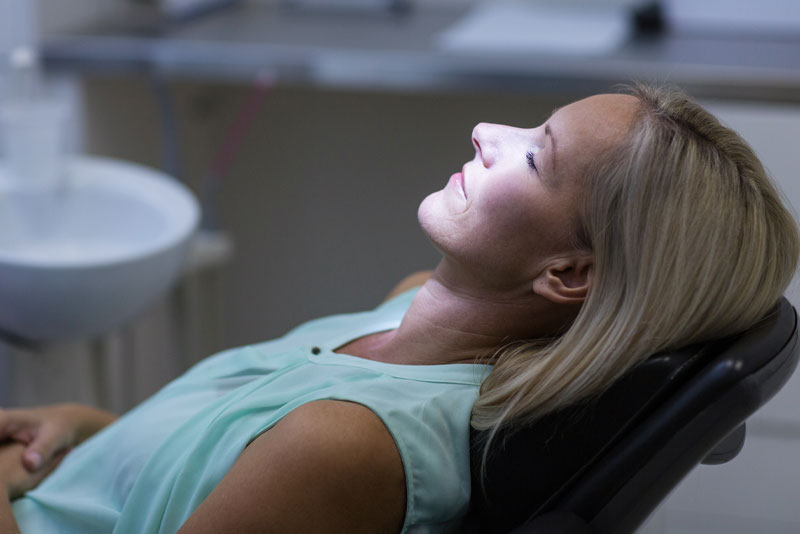
Sedation Dentistry: Is It Right For You in Omaha, NE?

Sedation dentistry can make dental care easier and less stressful for people who feel anxious, have a strong gag reflex, need complex surgery, or have special medical needs. If you’re searching for sedation dentistry omaha ne, this guide explains the types of sedation, who is a good candidate, safety steps, costs, and what to expect before, during, and after treatment. We’ll also cover questions to ask providers so you can choose care with confidence.

What Is Sedation Dentistry?

Sedation dentistry uses medicine to help patients relax during dental procedures. Levels range from minimal (awake but relaxed) to general anesthesia (fully unconscious). Dentists and oral surgeons use sedation for everything from routine extractions and root canals to complex surgeries like dental implants or bone grafting. The goal is comfort, safety, and better cooperation during care.

Common Types of Sedation Used

Nitrous Oxide (Laughing Gas)

Nitrous oxide is inhaled through a small mask. It acts quickly and wears off fast, so recovery is short. It’s a good choice for mild anxiety or short procedures because patients remain awake and responsive.

Oral Sedation

Oral sedation involves taking a pill before your appointment. Doses vary; some patients feel calm and alert, others become drowsy. Recovery time is longer than nitrous oxide, and you’ll need a ride home.

IV Sedation

IV sedation is delivered directly into the bloodstream by a trained clinician. It allows precise control of sedation level and is used for moderate to deep sedation during longer or more complex procedures. Patients often have little memory of the procedure.

General Anesthesia

General anesthesia causes full unconsciousness and is used for major procedures or when other methods are not safe or effective. It requires advanced monitoring and recovery in a controlled setting, sometimes at a hospital.

Who Is a Good Candidate for Sedation Dentistry?

Candidates include people with severe dental anxiety, a strong gag reflex, low pain tolerance, or the need for extensive treatment in a single visit (like multiple extractions or implants). Sedation may also be recommended for patients with certain medical or developmental conditions that make cooperation difficult. A medical history review and basic health screening determine if sedation is safe for you.

Benefits of Sedation Dentistry Near Omaha, NE

Sedation dentistry omaha ne can reduce fear and pain, allowing dentists or surgeons to complete more work in one visit. That means fewer appointments and less total recovery time. For complex oral surgery, sedation improves patient comfort and cooperation, which can lead to better surgical precision and outcomes. Many patients report lower stress both before and after treatment when sedation is used.

Risks, Safety Measures, and What to Ask Your Provider

All sedation carries some risk, including breathing or heart problems, nausea, or a delayed reaction to medication. Safe practices include a thorough medical history review, pre-op instructions about medications and fasting, and continuous monitoring of oxygen, blood pressure, and heart rate during sedation. Ask providers about emergency protocols, who will monitor you, and what rescue medications and equipment are available.

Questions to Ask About Sedation Dentistry Omaha NE Providers

– Who will administer the sedation and what are their credentials? – Are the providers board-certified in oral and maxillofacial surgery or anesthesia? – What monitoring equipment is used during sedation? – Do you have hospital privileges or a plan for hospital-based care if needed? – What are the fasting rules and medication instructions before the procedure? – What should I expect for recovery and who provides post-op support? – How are emergencies handled and where is emergency care available?

What to Expect Before, During, and After Sedation

Before your appointment you’ll share your medical history, current meds, and any allergies. You’ll get fasting and medication instructions and must arrange a responsible adult to drive you home. During the procedure you’ll be monitored continuously; staff will adjust sedation as needed to keep you safe and comfortable. Afterward you’ll recover in a quiet area until vitals are stable. Expect drowsiness and impaired coordination for several hours; follow post-op instructions closely, including activity limits and pain control guidance.

Cost, Insurance, and Payment Options for Sedation Dentistry

Costs vary by sedation type, procedure complexity, and provider credentials. Nitrous oxide and oral sedation are usually less expensive than IV sedation or general anesthesia. Some dental insurance plans cover part of the cost, but coverage for sedation is often limited. Many practices offer payment plans, third-party financing, or bundle sedation with surgical fees. Ask for a written estimate and verify insurance benefits before your visit.

Why Choose Midwest Oral Surgery & Dental Implants for Sedation Dentistry in Omaha, NE

Midwest Oral Surgery & Dental Implants offers board-certified oral surgeons with hospital privileges and years of surgical experience. Their team provides IV sedation and general anesthesia when needed and uses advanced tools like cone beam CT, digital scanners, and surgical guides to plan safe, precise procedures. They focus on patient comfort, detailed medical screening, and 24/7 emergency coordination with local hospitals—important factors for safe sedation and predictable outcomes.

How to Schedule a Consultation for Sedation Dentistry Omaha NE

Bring a list of medications, your medical history, and any prior sedation or anesthesia records to your consultation. The team will review your health, explain sedation options, and map out a treatment plan. To book, call the office or use the practice website to request an appointment. If you’re considering sedation dentistry omaha ne, ask for a pre-op checklist and confirm transportation and recovery instructions before your visit.

How Sedation Dentistry Can Improve Your Dental Experience

Dental IV Bag
Are you anxious about an upcoming dental procedure, such as dental implants, and have questions about sedation? You are not alone. Up to 30% of people express anxiety and concerns about discomfort or pain that can be associated with dental procedures. This can often cause a delay in seeking much needed treatment, which can, in turn, worsen the dental issue. Fortunately, there are many ways to alleviate any worries. Dental sedation, or anesthesia, can help reduce or eliminate any pain or discomfort sensations in a safe and convenient way! A dentist in Omaha, NE can make the best sedation choice for you based on your individual needs and wants––including any health issues, procedure length, or potential allergic reactions.


The different types of sedation options include:

  • Local anesthesia medication: numbing the area or causing temporary unconsciousness to be pain-free.
  • Sedation: can be mild, moderate, or deep unconsciousness. Administered through oral or intravenous (IV).
  • General anesthesia: used for longer procedures, full unconsciousness and complete relaxation. Administered through a face mask or IV.

While anesthesia is considered to be quite safe, as with most procedures, there are some side effects to consider; including nausea/vomiting, headache, and dry mouth. It is important to choose a dental professional in Omaha, NE that has the knowledge and experience of using top-notch anesthesia methods. A dentist should have a number of years of clinical experience in administering and monitoring all levels of anesthesia and should strive to ensure their patients experience comfortable and pain free dental procedures, and offer a range of anesthesia options for you to choose from. Their team should be trained and licensed to provide personalized anesthesia services using state-of-the-art equipment and resources all offered on-site; including oral and IV sedation, general anesthesia, and nitrous oxide, which relaxes you through inhalation.


Don’t be anxious of dental services any longer!

You can certainly be excited about your next dental procedure with so many anesthesia options, you can rest assured that your next appointment will be relaxing, safe, and effective! Call our doctors, Dr. Jerome M. WeesDr. John Wewel, and Dr. Benjamin J. Anderson, in our office in Omaha, NE today to learn more and schedule a consultation!


References

Sedation Dentistry: How To Know If It’s Right For You

Dental Patient Under Sedative

Sedation dentistry has emerged thanks to advancements in the dental industry as one of the leading ways to help patients who suffer from dental anxiety overcome their fear and receive treatment. Also, there are a variety of sedation methods that have been developed in order to cater to patients with different needs. The different types of sedation range from oral sedation, nitrous oxide also known as laughing gas, IV sedation, or as a pill.


How Is Sedation Administered?

As mentioned above there are different forms of sedation that can be used for a patient depending on their level of dental anxiety. Sedation is available in a range of strengths. If you are mildly afraid of the dental chair than nitrous oxide also known as laughing gas would be the best option for you. On the other hand, if your fear is more serious than you might benefit from more moderate sedation. However, if you have serious dental anxiety then this would require deep sedation or general anesthesia which would make you unconscious during the procedure. In this case general anesthesia would be more beneficial for you. Sedation can be given in gas form, taken as a pill, or administered through an IV.


Schedule Your Consultation

Contact our office in Omaha, NE to schedule your consultation with your local dentists, Dr. Jerome M. WeesDr. John Wewel, and Dr. Benjamin J. Anderson if you feel as though you may be suffering from dental anxiety. Especially, if this suffering has caused you to avoid seeking any necessary dental treatment.

Sedation Dentistry: Why Is It Beneficial?

Dental Patient About To Take Sedative

Dental anxiety has no limitations and it can affect dental patients of all ages. However, thanks to major advancements in sedation dentistry patients who suffer from dental anxiety have an option for relief. Even more so they will be able to experience receiving the dental care they need without the anxiety they don’t want. To learn more about benefits of sedation for patients read why it’s beneficial below:


Which Patients Benefit?
The usual types of patients that benefit from sedation dentistry include those with the following:

  • Sensitive teeth
  • Dental Anxiety
  • Low pain tolerance
  • Claustrophobia
  • Sensitive gag reflex
  • Previous dental trauma
  • Fidgety behavior

Positives of Sedation Dentistry
The major benefit of undergoing sedation during a dental procedure is to avoid receiving any kind of dental pain or dental anxiety during the dental procedure. Also, this allows the doctor more time to be precise with their work ensuring that you have a positive dental experience and minimal healing time.


Schedule Your Appointment
If you suffer from dental anxiety or if you fall into the category of any of the above-mentioned types of patients then you would benefit from sedation dentistry. Please feel free to contact our office to schedule your appointment our doctor will be able to discuss our sedation options with you and find the best option for you.

Sedation Dentistry: How Sedation Dentistry Can Calm Your Anxiety

dental patient under sedation

A vast majority of the population suffers from dental anxiety. It is actually estimated that more than 10% of American adults avoid going to the dentist because their dental anxiety is severe.

Causes of Dental Anxiety
There are quite a few reasons people experience anxiety about dentists including the following:

  • Fear of pain
  • Feeling helpless
  • Bad gag reflex
  • Embarrassment
  • Negative experiences

Sedation is the Solution
Thanks to advancements in sedation dentistry it is now easier than ever to reduce your dental anxiety. Also, there are many forms of sedation that can be utilized and doing so helps patients no matter what form of anxiety they are dealing with. Also, while the sedation helps to calm the patient and help them relax it also works to help the doctor treat you more efficiently.

Schedule Your Consultation
If you are experiencing dental anxiety especially if it is keeping you from seeking important dental work then it would be beneficial if you reached out to our office to schedule your consultation with our doctor. They can discuss our sedation options with you and create a customized treatment plan for you as well.